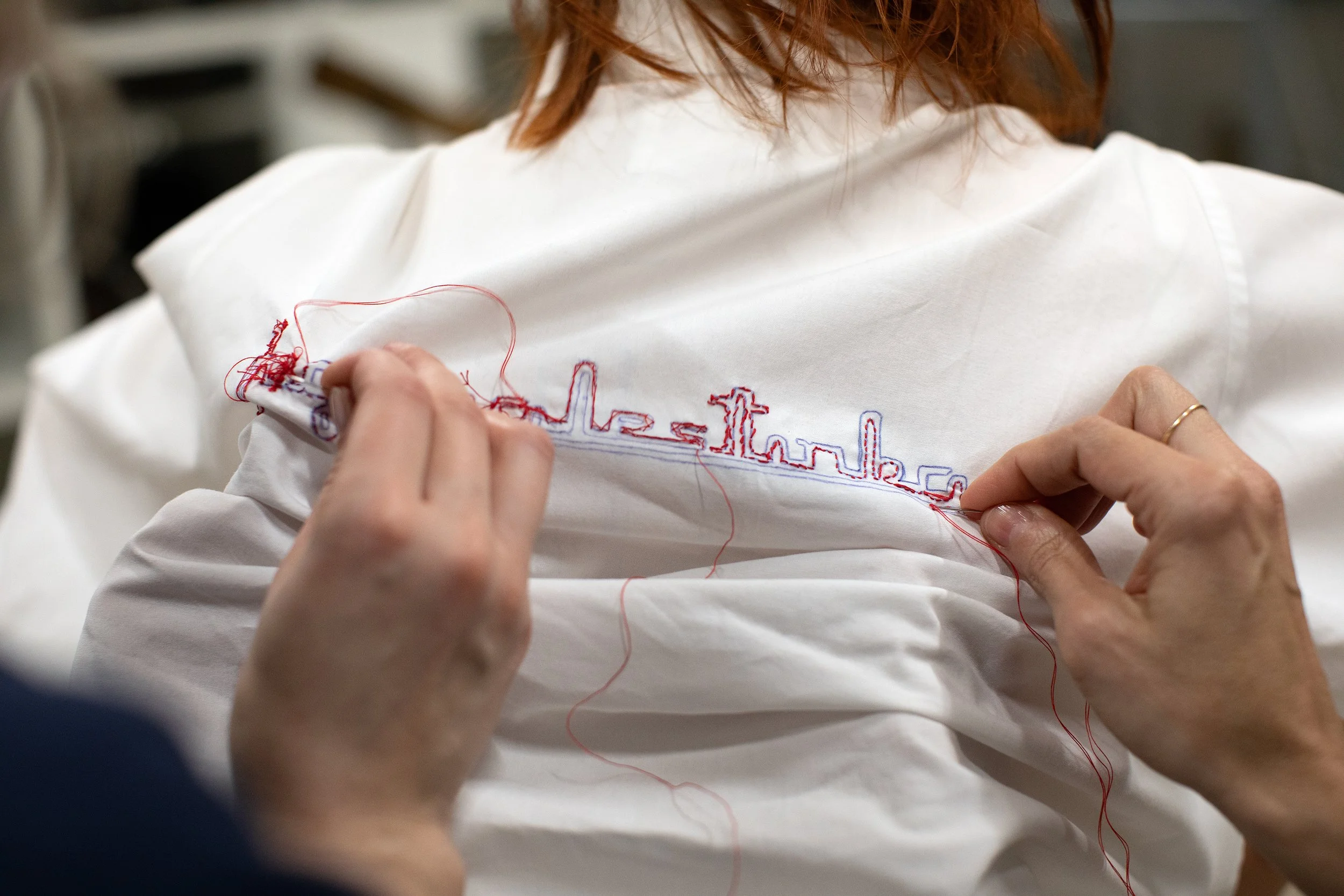
Jugopalestinka moves through emotional landscapes shaped by loss and the gentle persistence of companionship. It begins from the wound that remembers, from collective and historical pain born of injustice, loss, and unfinished struggles for liberation, and moves toward the thread that binds, the quiet endurance of care that holds us together across distances and time.
In a Yugopalestinian sense, it is a movement between grief — a deep ache that refuses to die until it finds justice or expression — and a practice of relational care that turns pain into continuity and meaning, into the tenderness that keeps liberation imaginable; between the melancholia of betrayed solidarities and erased comradeships, and the fragile yet enduring kinship that survives ideology, borders, and exile.
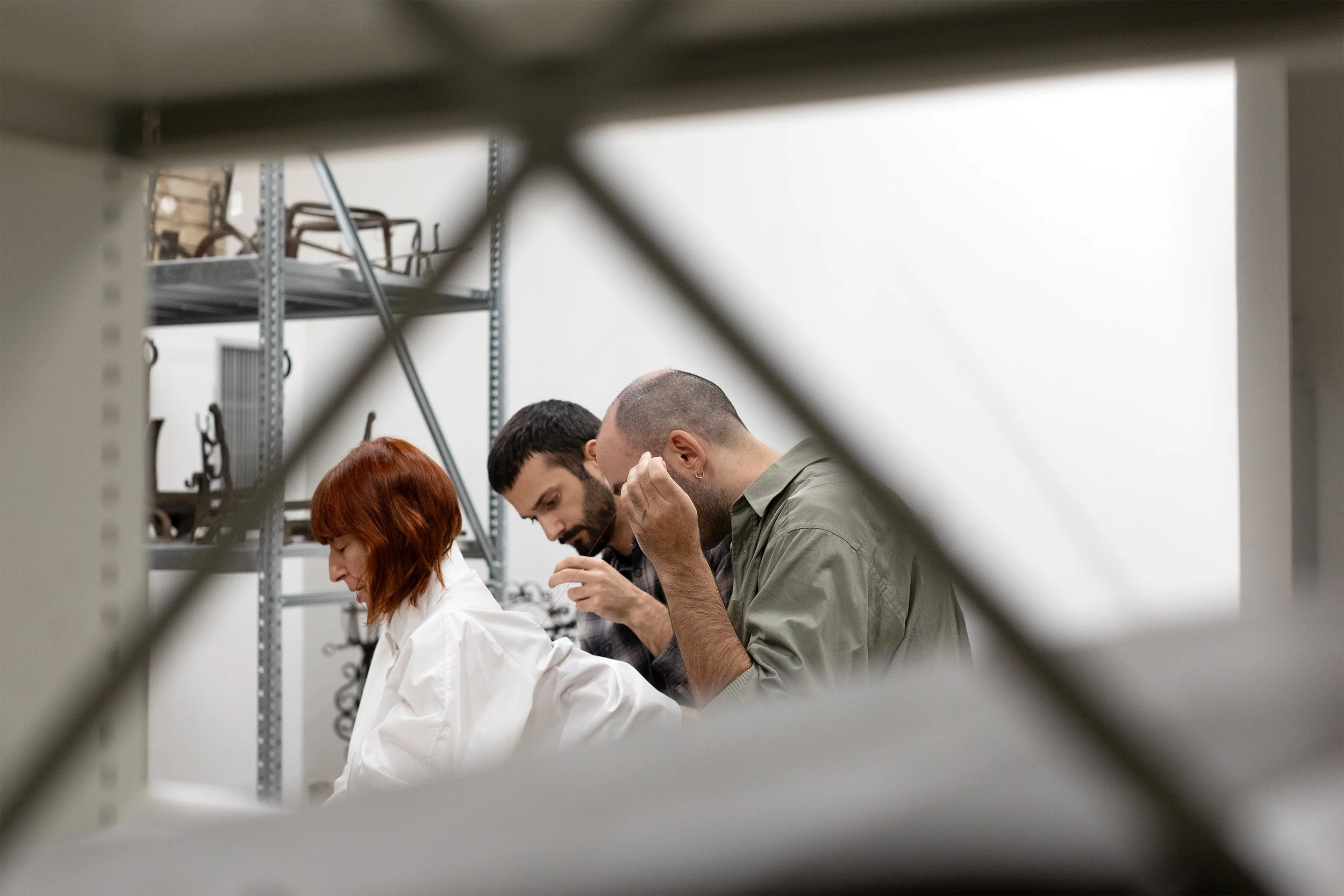
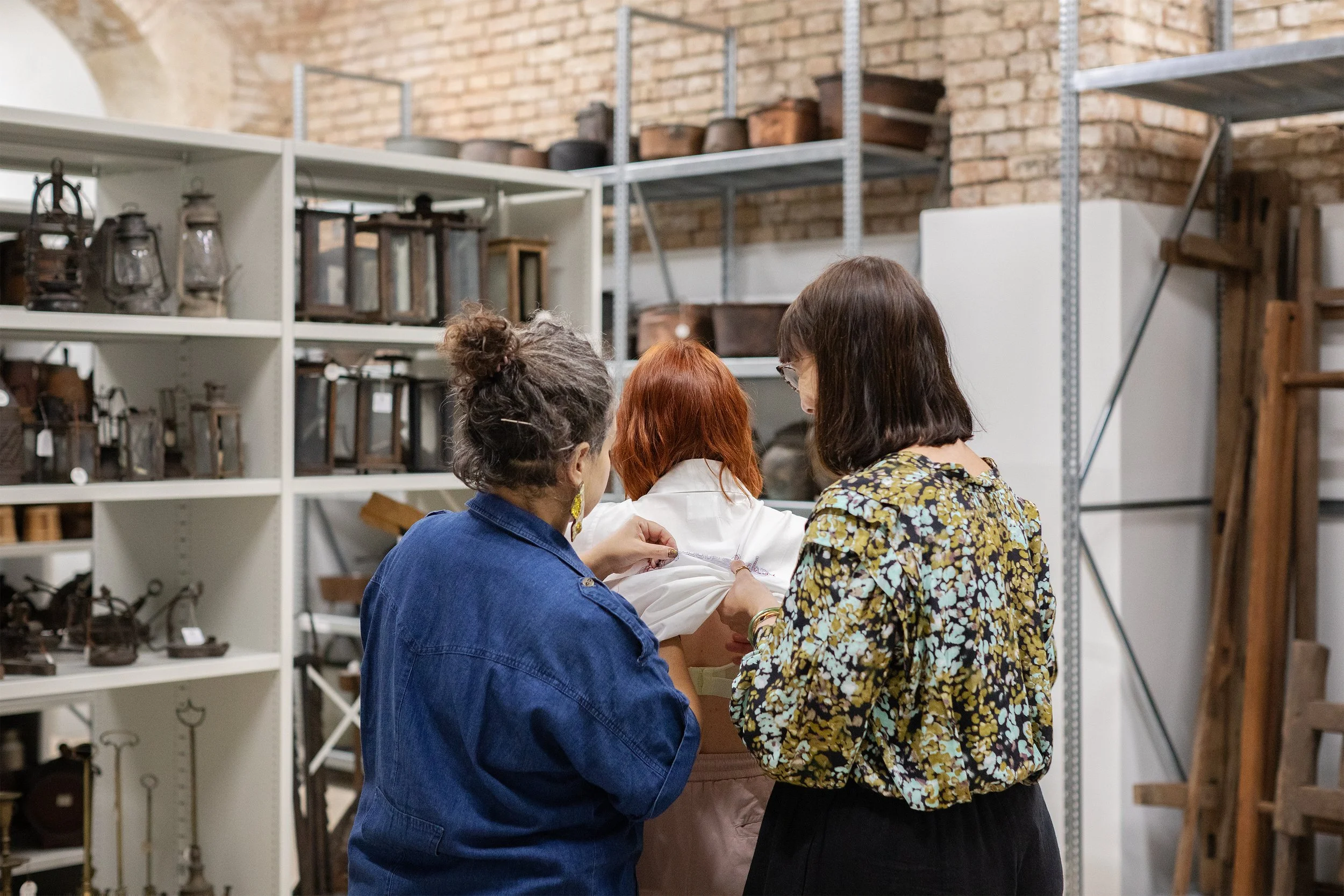
Through the act of embroidery — the shared touch of needle, fabric, and skin — our encounter becomes a ritual of co-living and remembering. Each stitch requires gentleness, presence, and responsibility; to embroider carefully is to acknowledge that the wound is still alive.
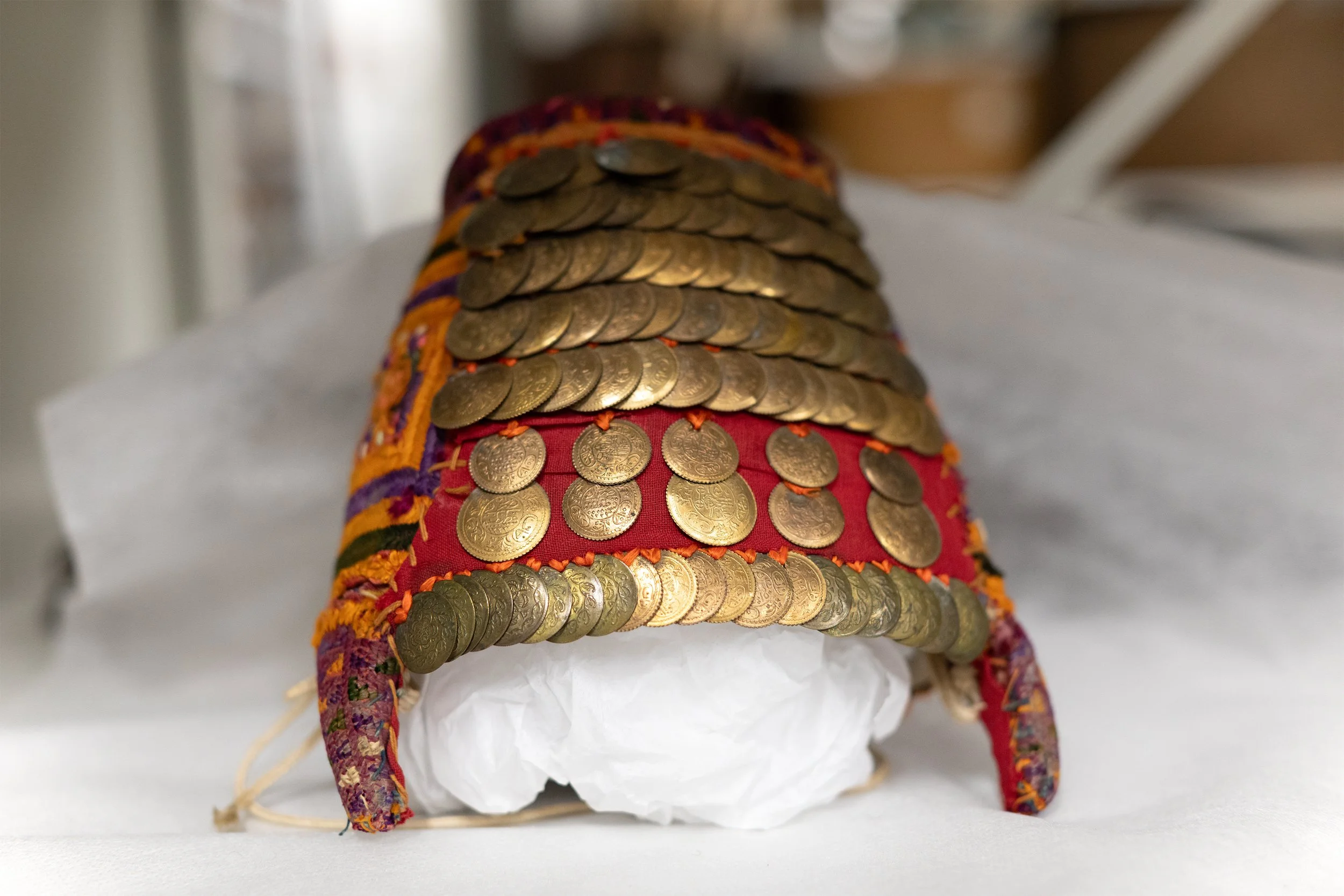
Jugopalestinka is not a representation but a practice of mourning that refuses erasure and care that resists despair. In this small act of collective making, we may momentarily transform the museum depot, a space of storage and silence, into a site where memory, solidarity, and love are stitched back into the world.